Building Nordic knowledge for the future
of work
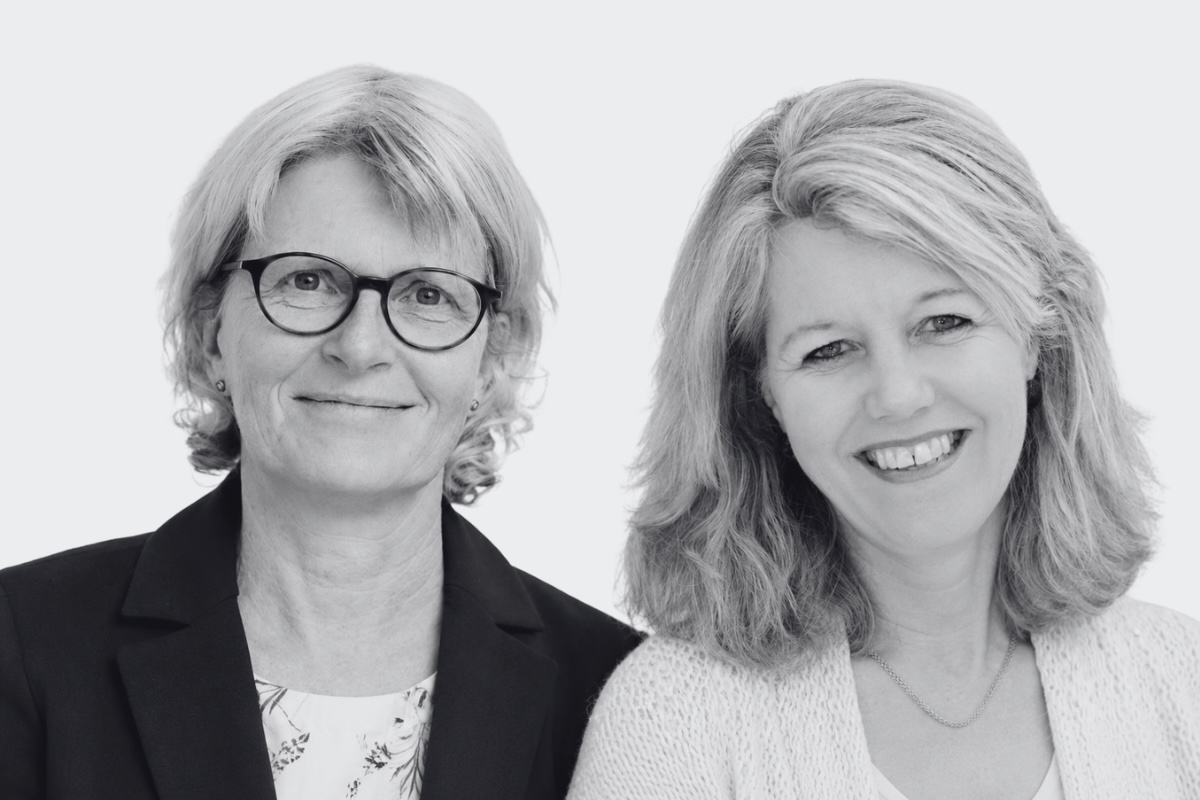
Why are institutions like NIVA still needed in today’s rapidly changing world of work? Long-serving NIVA board members Professor Anne Helene Garde and Department Director Margrethe Schøning reflect on Nordic collaboration, emerging occupational health trends and memorable moments from nearly a decade of NIVA board work.
For more than four decades, The Nordic Institute for Advanced Training in Occupational Health, NIVA, has brought together researchers, specialists and practitioners from across the Nordic region to share knowledge and strengthen occupational health and safety (OSH) expertise.
But as working life changes rapidly – shaped by digitalisation, psychosocial pressures, sustainability demands and new forms of employment – the need for cross-border collaboration has only become more important, according to long-time board members Anne Helene Garde and Margrethe Schøning.
– NIVA has always held a unique and important role in delivering high-quality education in occupational health and work environment research, says Professor Anne Helene Garde from The National Research Centre for the Working Environment (NFA).
Garde has been involved with NIVA for more than 30 years as a course participant, organiser and board member.
– Today, I see NIVA even more clearly as part of a larger Nordic ecosystem. It is a platform that connects people, knowledge and institutions across borders, she explains.
According to Garde, this role aligns closely with the broader mission of Nordic co-operation: creating added value through collaboration and contributing to a more integrated and sustainable Nordic region.
– NIVA supports the shared Nordic ambition of becoming the most sustainable and integrated region in the world by 2030, she says.
A unique Nordic model
For Margrethe Schøning, Department Director at STAMI – the National Institute of Occupational Health in Norway, and NIVA board member for nearly eight years, NIVA’s importance lies in its ability to bridge cutting-edge research and practical working life needs.
– NIVA delivers high-quality and advanced courses within occupational safety and health across the Nordic countries. Working-life environments affect nearly everyone in society. All workers and employers should experience safe and productive workplaces with well-being and coping, she says.
She highlights that NIVA’s courses ensure that the latest research findings reach both academic experts and practitioners throughout the Nordic region – and beyond.
At the same time, the courses create something equally valuable: Nordic networks.
– NIVA provides a unique arena where researchers, PhD students and specialists can meet, exchange ideas and create new collaborations, Schøning says.
Both board members emphasise that the Nordic approach to occupational health and safety remains internationally unique.
– The Nordic model is based on trust and constructive cooperation between workers, employers and authorities, Schøning explains. It is an important cornerstone of our welfare societies and an example for other countries working towards sustainable working life.
Adapting during challenging times
One particularly memorable period for both board members was the COVID-19 pandemic, when NIVA rapidly transformed its operations from physical events to digital learning environments.
– The one thing that stands out is how NIVA transformed from being only physical meetings to becoming web-based when everything shut down due to COVID-19. It was a huge transformation, which ran very smoothly thanks to the staff at NIVA, Garde recalls.
Schøning also points to the organisation’s resilience during recent years marked by tighter financial conditions and administrative restructuring.
– NIVA has maintained and strengthened its position as a producer of high-quality courses, even during more difficult financial circumstances. Today, NIVA successfully arranges physical courses, digital courses and Nordic conferences on a larger scale than before.
Schøning describes the organisation’s ability to adapt while maintaining quality as “truly a matter of respect.”
From research to real-world impact
When looking at recent course proposals and developments within occupational health research, one clear trend stands out to both board members: societal impact.
– The societal benefit of research has gained a more central place in occupational health research, Schøning explains. How should research results be used, by whom and in what way?
This growing focus is reflected in NIVA’s recent course portfolio, which increasingly emphasises practical implementation, knowledge-based tools and translating research into real-world solutions.
– Research is of little value if working life cannot benefit from the results and knowledge produced, Schøning says.
Garde agrees that emerging work environment challenges require collaborative Nordic responses.
– What has become more evident to me over the years is how important these Nordic networks are – not just for research excellence, but for developing common approaches to new challenges. NIVA creates a space where we can learn from each other and contribute to solutions that the individual countries could develop alone, Garde says.
For both board members, that mission remains just as important today as when they first became involved with NIVA – perhaps even more so.
Professor Anne Helene Garde and Department Director Margrethe Schøning have both served on NIVA’s Board since 2019 and are therefore approaching the end of their eight-year terms. NIVA’s Board is appointed by representatives of the Nordic governments and reports to the Nordic Council of Ministers. Together with the NIVA Director, the Board makes strategic decisions for the organisation. The Board consists of five members, one from each Nordic countries.


